Nama dan identitas
Boer · Boers · Afrikaners · Voortrekkers
Adaptasi sumber terbuka. Uraian diterjemahkan otomatis menggunakan OPUS-MT en-id (lokal); teks asal dapat diperiksa di setiap bagian. Identitas, lisensi, dan kelengkapan diperiksa secara otomatis. Belum ada tinjauan komunitas atau ahli yang tercatat.
Identitas dan konteks kelompok#
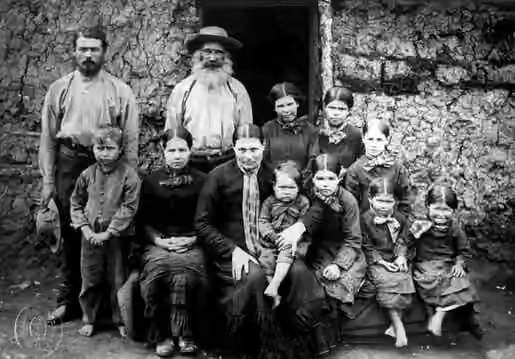
Boers (Boorz), Afrikaans, Boere, [ˈbuːrə]) adalah keturunan dari proto Afrika-berbahasa Free Burghers dari perbatasan Tanjung timur di Afrika Selatan selama 17, 18, dan 19 abad. Dari tahun 1652 sampai 1795, Perusahaan India Timur Belanda menguasai Koloni Cape Belanda, yang digabung menjadi Imperium Inggris pada tahun 1806. Nama kelompok ini diambil dari Trekbér kemudian "boer" yang berarti "farmer" di Belanda dan Afrikaans.
Selain itu, istilah Boeren juga berlaku bagi orang-orang yang meninggalkan Koloni Cape pada abad ke - 19 untuk menduduki Negara Bebas Orange, dan Transvaal (bersama - sama dikenal sebagai Republik Boer), dan sampai taraf yang lebih kecil Natal. Mereka beremigrasi dari Cape untuk hidup di luar jangkauan pemerintah kolonial Inggris, dengan alasan mereka melakukan hal itu terutama menjadi sistem hukum umum Anglophone yang baru yang diperkenalkan ke Cape dan penghapusan perbudakan Inggris pada tahun 1833.
Rujukan bagian ini · revisi 1379565144Baca teks sumber bahasa Inggris
Boers ( BOORZ; Afrikaans: Boere; [ˈbuːrə]) are the descendants of the proto Afrikaans-speaking Free Burghers of the eastern Cape frontier in Southern Africa during the 17th, 18th, and 19th centuries. From 1652 to 1795, the Dutch East India Company controlled the Dutch Cape Colony, which the United Kingdom incorporated into the British Empire in 1806. The name of the group is derived from Trekbœr then later "boer", which means "farmer" in Dutch and Afrikaans.
In addition, the term Boeren also applied to those who left the Cape Colony during the 19th century to colonise the Orange Free State, and the Transvaal (together known as the Boer Republics), and to a lesser extent Natal. They emigrated from the Cape to live beyond the reach of the British colonial administration, with their reasons for doing so primarily being the new Anglophone common law system being introduced into the Cape and the British abolition of slavery in 1833.
Uraian sumber 2#
Perusahaan India Timur Belanda (; VOC) dibentuk di Republik Belanda pada tahun 1602, dan pada saat ini Belanda telah memasuki kompetisi untuk perdagangan kolonial dan imperial di Asia Tenggara. Akhir Perang Tiga Puluh Tahun pada tahun 1648 melihat tentara Eropa dan pengungsi tersebar luas di seluruh Eropa. Para imigran dari Jerman, Skandinavia, dan Swiss pergi ke Belanda dengan harapan mendapatkan pekerjaan bersama VOC. Pada tahun yang sama, salah satu kapal mereka terdampar di Table Bay dekat apa yang akhirnya akan menjadi Cape Town, dan kru yang karam harus mencari nafkah di pantai selama beberapa bulan. Mereka sangat terkesan dengan sumber daya alam negara itu sehingga pada saat kembali ke Republik Belanda, mereka memberikan kepada direktur VOC keuntungan yang bisa didapat untuk perdagangan Timur Belanda dari stasiun yang disediakan dengan benar dan dibentengi di Cape.
Rujukan bagian ini · revisi 1379565144Baca teks sumber bahasa Inggris
The Dutch East India Company (; VOC) was formed in the Dutch Republic in 1602, and at this time the Dutch had entered the competition for the colonial and imperial trade of commerce in Southeast Asia. The end of the Thirty Years' War in 1648 saw European soldiers and refugees widely dispersed across Europe. Immigrants from Germany, Scandinavia, and Switzerland traveled to the Netherlands in the hope of finding employment with the VOC. During the same year, one of their ships was stranded in Table Bay near what would eventually become Cape Town, and the shipwrecked crew had to forage for themselves on shore for several months. They were so impressed with the natural resources of the country that on their return to the Dutch Republic, they presented to the VOC directors the advantages to be had for the Dutch Eastern trade from a properly provided for and fortified station at the Cape.
Uraian sumber 3#
VOC mendukung gagasan tentang freemen di Cape dan banyak pekerja VOC meminta untuk diberhentikan agar dapat menjadi burghers gratis. Alhasil, Jan van Riebeek menyetujui gagasan tentang kondisi yang baik dan menandai dua daerah dekat Sungai Liesbeek untuk tujuan pembangunan pertanian pada tahun 1657. Kedua daerah yang dialokasikan ke freemen bernama Greenfield and Dutch Garden. Daerah-daerah ini dipisahkan oleh Sungai Amplet (Liesbeek). Sembilan pelamar terbaik dipilih untuk menetap. Maka, orang merdeka (pembawa barang-barang yang tidak dipunyai) menjadi rakyat VOC dan tidak lagi dianggap hamba.
Pada tahun 1671, Belanda pertama kali membeli tanah dari Khoikhoi asli di luar batas benteng yang dibangun oleh Van Riebeek; ini menandai awal Koloni Cape Belanda. Akibat penyelidikan seorang komisaris, pemerintah berupaya merekrut lebih banyak imigran untuk mengembangkan komunitas yang stabil. Mereka membentuk bagian dari kelas, juga dikenal sebagai ('warga negara bebas'), mantan karyawan VOC yang tetap di Cape setelah melayani kontrak mereka. Sejumlah besar petani menjadi independen dan mengajukan hibah tanah, serta pinjaman benih dan alat, dari pemerintahan VOC.
Rujukan bagian ini · revisi 1379565144Baca teks sumber bahasa Inggris
VOC favored the idea of freemen at the Cape and many workers of VOC requested to be discharged in order to become free burghers. As a result, Jan van Riebeek approved the notion on favorable conditions and earmarked two areas near the Liesbeek River for the purpose of agricultural development in 1657. The two areas allocated to the freemen were named Greenfield and Dutch Garden. These areas were separated by the Amstel (Liesbeek) River. The best nine applicants were selected to settle the land. The freemen (free burghers, as they were called thereafter) thus became subjects of VOC and were no longer considered servants.
In 1671, the Dutch first purchased land from the indigenous Khoikhoi beyond the limits of the fort built by Van Riebeek; this marked the beginnings of the Dutch Cape Colony. As the result of the investigations of a 1685 commissioner, the government worked to recruit a greater variety of immigrants to develop a stable community. They formed part of the class of , also known as ('free citizens'), former VOC employees who remained at the Cape after serving their contracts. A large number of became independent farmers and applied for grants of land, as well as loans of seed and tools, from VOC administration.
Sumber dan cakupan
Kontributor Wikipedia bahasa Inggris · revisi artikel 2026 · diakses 2026-10-14.
Artikel tentang kelompok dalam konteks dokumentasinya; tidak mewakili semua anggota atau semua masa. Bagian uraian dipilih, penanda format dibersihkan, dan diterjemahkan otomatis.
Kontributor Wikipedia · CC BY-SA 4.0 · Riwayat dan kredit penulis · pemilihan bagian, penyuntingan bahasa, dan pembersihan penanda format serta terjemahan otomatis merupakan perubahan dari sumber.
Q188201 — identitas dan asosiasi Wikidata · Kontributor Wikidata · CC0 · revisi 2549962788. Identitas P31 dan asosiasi negara P17; bukan batas budaya, kepemilikan, atau keyakinan semua anggota. Penjelas tambahan dan rujukan dapat diperiksa pada sumber.
Informasi rilis dan ekspor metadata · Ketentuan penggunaan ulang
Pemeriksaan otomatis identitas, lisensi, sumber revisi, dan kelengkapan; bukan tinjauan ahli. Belum ada tinjauan komunitas atau ahli yang tercatat untuk profil ini. Uraian ini belum mencakup seluruh variasi yang mungkin ada.
Baca metode penyusunan