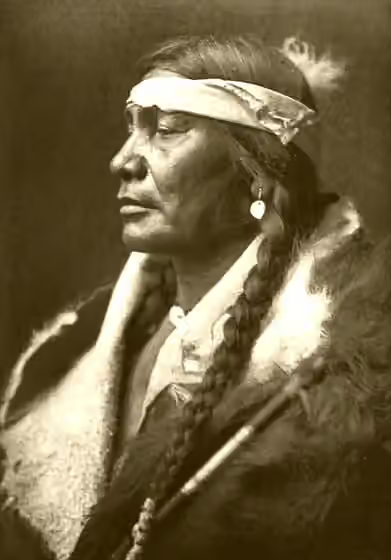
Nama dan identitas
Gros Ventre · Gros Ventre people · A’aninin · Atsina · Gros Ventres of the Prairie · Aaniiih
Adaptasi sumber terbuka. Uraian diterjemahkan otomatis menggunakan OPUS-MT en-id (lokal); teks asal dapat diperiksa di setiap bagian. Identitas, lisensi, dan kelengkapan diperiksa secara otomatis. Belum ada tinjauan komunitas atau ahli yang tercatat.
Identitas dan konteks kelompok#
The Gros Ventre (AS: GROH-vont; French: [ɡʁo vɑ̃tʁ], yang berarti 'billy besar'), juga dikenal sebagai A'aninin, Atsina, atau Tanah Putih, adalah suku asli asli Amerika yang berbahasa Algonquian yang secara historis terletak di Montana utara. Dewasa ini, orang-orang Gros Ventre terdaftar di Komunitas Indian Fort Belknap Reservasi Montana, sebuah suku yang diakui oleh pemerintah dengan 7.000 anggota, juga termasuk orang-orang Assiniboine.
Rujukan bagian ini · revisi 1377119300Baca teks sumber bahasa Inggris
The Gros Ventre (US: GROH-vont; French: [ɡʁo vɑ̃tʁ], meaning 'big belly'), also known as the A'aninin, Atsina, or White Clay, are a historically Algonquian-speaking Native American tribe located in northcentral Montana. Today, the Gros Ventre people are enrolled in the Fort Belknap Indian Community of the Fort Belknap Reservation of Montana, a federally recognized tribe with 7,000 members, also including the Assiniboine people.
Nama dan istilah#
Orang Prancis menggunakan istilah Gros Ventre, yang secara keliru diterjemahkan dari bahasa isyarat. Mereka pernah dikenal sebagai "Gros Ventres of the Prairies", sebagai Hidatsa orang yang sama disebut "Gros Ventres of the Missouri"
Setelah mereka berpisah dari Gros Ventres, Arapaho, yang menganggap Gros Ventres lebih rendah, disebut mereka, berarti "beggars." Interpretasi lain istilah telah "lapar," "air terjun," dan "perut besar."
Rujukan bagian ini · revisi 1377119300Baca teks sumber bahasa Inggris
The French used the term Gros Ventre, which was mistakenly interpreted from sign language. They were once known as the "Gros Ventres of the Prairies", as the Hidatsa people were similarly called the "Gros Ventres of the Missouri".
After their split from the Gros Ventres, the Arapaho, who considered the Gros Ventres inferior, called them , meaning "beggars." Other interpretations of the term have been "hunger," "waterfall," and "big bellies."
Perubahan dan konteks sejarah#
Keluarga Gros Ventres diyakini tinggal di kawasan Danau Besar sebelah barat 3.000 tahun yang lalu, tempat mereka hidup dengan gaya hidup agraris, menanam jagung. Dengan leluhur Arapaho, mereka membentuk satu orang berbahasa Algonquian yang tinggal di sepanjang Lembah Sungai Merah di Minnesota dan Dakota Utara. Mereka erat terkait dengan nenek moyang Cheyenne. Mereka berbicara bahasa Gros Ventre yang sekarang hampir punah (Atsenna), bahasa Dataran Algonquian yang erat, mirip dengan bahasa Arapaho, dan dikelompokkan sebagai bahasa Arapahoan (Arapaho-Atsena). Ada bukti bahwa, bersama dengan kelompok Arapaho Utara, sebuah kelompok suku selatan, Staetan, menggunakan dialek Besawunena, yang memiliki pembicara di antara Arapaho Utara pada akhir 1920 - an.
Rujukan bagian ini · revisi 1377119300Baca teks sumber bahasa Inggris
The Gros Ventres are believed to have lived in the western Great Lakes region 3,000 years ago, where they lived an agrarian lifestyle, cultivating maize. With the ancestors of the Arapaho, they formed a single Algonquian-speaking people who lived along the Red River Valley in present-day Minnesota and North Dakota. They were closely associated with the ancestors of the Cheyenne. They spoke the now nearly extinct Gros Ventre language (Atsina), a closely related Plains Algonquian language, much like the Arapaho, and is grouped as an Arapahoan language (Arapaho-Atsina). There is evidence that, together with bands of Northern Arapaho, a southern tribal group, the Staetan, spoke the Besawunena dialect, which had speakers among the Northern Arapaho as recently as the late 1920s.
Uraian sumber 4#
Pada awal abad ke - 18, suku gabungan itu mengalami tekanan dari Ojibwe, dan memulai migrasi ke lembah Sungai Missouri bagian atas. Selama migrasi, suku besar itu terpecah menjadi Arapaho dan Gros Ventre, kemungkinan dekat Danau Iblis. Kelompok-kelompok ini, bersama dengan Cheyenne, termasuk yang terakhir bermigrasi ke Montana, karena tekanan dari Ojibwe.
Rujukan bagian ini · revisi 1377119300Baca teks sumber bahasa Inggris
In the early 18th century, the combined tribe came under pressure from the Ojibwe, and started a migration to the upper Missouri River Valley. During the migration, the large tribe split into the Arapaho and the Gros Ventre, possibly near Devil's Lake. These groups, along with the Cheyenne, were among the last to migrate into Montana, due to pressure from the Ojibwe.
Sumber dan cakupan
Kontributor Wikipedia bahasa Inggris · revisi artikel 2026 · diakses 2026-10-14.
Artikel tentang kelompok dalam konteks dokumentasinya; tidak mewakili semua anggota atau semua masa. Bagian uraian dipilih, penanda format dibersihkan, dan diterjemahkan otomatis.
Kontributor Wikipedia · CC BY-SA 4.0 · Riwayat dan kredit penulis · pemilihan bagian, penyuntingan bahasa, dan pembersihan penanda format serta terjemahan otomatis merupakan perubahan dari sumber.
Q510032 — identitas dan asosiasi Wikidata · Kontributor Wikidata · CC0 · revisi 2550163418. Identitas P31 dan asosiasi negara P17; bukan batas budaya, kepemilikan, atau keyakinan semua anggota. Penjelas tambahan dan rujukan dapat diperiksa pada sumber.
Informasi rilis dan ekspor metadata · Ketentuan penggunaan ulang
Pemeriksaan otomatis identitas, lisensi, sumber revisi, dan kelengkapan; bukan tinjauan ahli. Belum ada tinjauan komunitas atau ahli yang tercatat untuk profil ini. Uraian ini belum mencakup seluruh variasi yang mungkin ada.
Baca metode penyusunan