Nama dan identitas
Scottish folk music · traditional Scottish folk
Adaptasi sumber terbuka. Uraian diterjemahkan otomatis menggunakan OPUS-MT en-id (lokal); teks asal dapat diperiksa di setiap bagian. Identitas, lisensi, dan kelengkapan diperiksa secara otomatis. Belum ada tinjauan komunitas atau ahli yang tercatat.
Identitas dan konteks budaya#
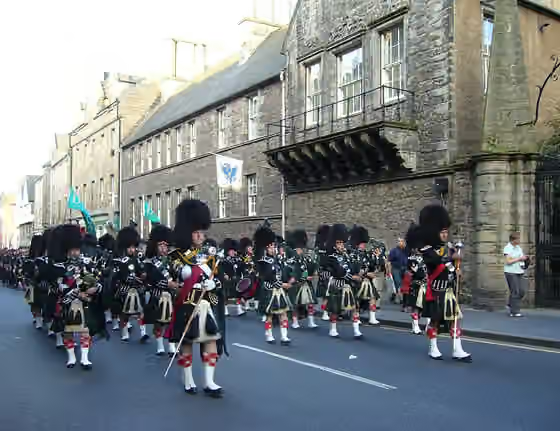
Musik rakyat Skotlandia (juga musik tradisional Skotlandia) adalah jenis musik rakyat yang menggunakan bentuk-bentuk yang diidentifikasi sebagai bagian dari tradisi musik Skotlandia. Ada bukti bahwa ada budaya berkembang musik populer di Skotlandia selama akhir Abad Pertengahan, tetapi satu-satunya lagu dengan melodi untuk bertahan hidup dari periode ini adalah "Pleugh Song" Setelah Reformasi, tradisi musik populer sekuler berlanjut, meskipun upaya-upaya Kirk, khususnya di dataran rendah, untuk menekan tarian dan peristiwa seperti pernikahan penny. Referensi pertama yang jelas mengenai penggunaan seruling berkantong Highland menyebutkan penggunaannya pada Pertempuran Pinkie Cleugh pada tahun 1547. Highlands pada awal abad ke-17 melihat perkembangan keluarga pipa termasuk MacCrimmons, MacArthurs, MacGregor dan Mackays dari Gairloch. Ada juga bukti adopsi biola di Highlands.
Koleksi musik sekuler yang dicetak paling awal berasal dari abad ke - 17. Koleksi mulai naik momentum pada awal abad ke - 18, dan, seraya tentangan Kirk terhadap musik berkurang, ada banjir publikasi termasuk terjemahan Allan Ramsay The Tea Table Miscelany (1723) dan Museum Musikal Skotlandia (1787 sampai 1803) oleh James Johnson dan Robert Burns. Dari akhir abad ke-19 ada minat diperbarui musik tradisional, yang lebih akademis dan politik dalam hal. Di Skotlandia, para kolektor termasuk Pendeta James Duncan dan Gavin Greig. Para pemain utama termasuk James Scott Skinner. Kebangkitan ini mulai memiliki dampak besar pada musik klasik, dengan perkembangan apa yang berlaku pada sebuah sekolah orkestra dan operatis nasional di Skotlandia, dengan komponis seperti Alexander Mackenzie, William Wallace, Learmont Drysdale, Hamish MacCunn dan John McEwen.
Rujukan bagian ini · revisi 1354349765Baca teks sumber bahasa Inggris
Scottish folk music (also Scottish traditional music) is a genre of folk music that uses forms that are identified as part of the Scottish musical tradition. There is evidence that there was a flourishing culture of popular music in Scotland during the late Middle Ages, but the only song with a melody to survive from this period is the "Pleugh Song". After the Reformation, the secular popular tradition of music continued, despite attempts by the Kirk, particularly in the Lowlands, to suppress dancing and events like penny weddings. The first clear reference to the use of the Highland bagpipes mentions their use at the Battle of Pinkie Cleugh in 1547. The Highlands in the early seventeenth century saw the development of piping families including the MacCrimmons, MacArthurs, MacGregors and the Mackays of Gairloch. There is also evidence of adoption of the fiddle in the Highlands.
The earliest printed collection of secular music comes from the seventeenth century. Collection began to gain momentum in the early eighteenth century and, as the Kirk's opposition to music waned, there was a flood of publications including Allan Ramsay's verse compendium The Tea Table Miscellany (1723) and The Scots Musical Museum (1787 to 1803) by James Johnson and Robert Burns. From the late nineteenth century there was renewed interest in traditional music, which was more academic and political in intent. In Scotland collectors included the Reverend James Duncan and Gavin Greig. Major performers included James Scott Skinner. This revival began to have a major impact on classical music, with the development of what was in effect a national school of orchestral and operatic music in Scotland, with composers such as Alexander Mackenzie, William Wallace, Learmont Drysdale, Hamish MacCunn and John McEwen.
Perubahan dan perkembangan#
Referensi pertama yang jelas tentang penggunaan seruling berkantong Highland berasal dari sejarah Prancis, yang menyebutkan penggunaannya pada Pertempuran Pinkie Cleugh pada tahun 1547. George Buchanan mengklaim bahwa mereka telah menggantikan terompet di medan perang. Periode ini adalah penciptaan ceór (musik besar) dari seruling berkantong, yang mencerminkan asal usul bela diri, dengan pertempuran-tunggal, pawai, pertemuan, salut dan ratapan. Highlands pada awal abad ke-17 melihat perkembangan keluarga pipa termasuk MacCrimmonds, MacArthurs, MacGregors dan Mackays of Gairloch. Ada juga bukti adopsi biola di Dataran Tinggi dengan Martin Martin mencatat dalam bukunya A Description of the Western Isles of Scotland (1703) bahwa ia mengenal 18 pemain di Lewis saja. Musisi terkenal termasuk pemain biola Pattie Birnie (c. 1635–1721) dan si piper Habbie Simpson (1550–1620).
Ada bukti balada dari periode ini. Beberapa mungkin berasal dari abad pertengahan lalu dan menangani peristiwa dan orang-orang yang dapat ditelusuri kembali sampai abad ke-13, termasuk "Sir Patrick Spens" dan "Thomas the Rhymer", tapi untuk itu tidak ada bukti sampai abad ke-18. Lagu balada Skotlandia berbeda, menunjukkan beberapa pengaruh pra-Kristen di dalamnya termasuk unsur-unsur supranatural seperti peri dalam balada Skotlandia "Tam Lin." Mereka tetap menjadi tradisi lisan sampai semakin berminat pada lagu rakyat pada abad ke - 18, para kolektor seperti Uskup Thomas Percy menerbitkan volume balada populer.
Rujukan bagian ini · revisi 1354349765Baca teks sumber bahasa Inggris
The first clear reference to the use of the Highland bagpipes is from a French history, which mentions their use at the Battle of Pinkie Cleugh in 1547. George Buchanan claimed that they had replaced the trumpet on the battlefield. This period saw the creation of the ceòl mór (the great music) of the bagpipe, which reflected its martial origins, with battle-tunes, marches, gatherings, salutes and laments. The Highlands in the early seventeenth century saw the development of piping families including the MacCrimmonds, MacArthurs, MacGregors and the Mackays of Gairloch. There is also evidence of adoption of the fiddle in the Highlands with Martin Martin noting in his A Description of the Western Isles of Scotland (1703) that he knew of eighteen players in Lewis alone. Well-known musicians included the fiddler Pattie Birnie (c. 1635–1721) and the piper Habbie Simpson (1550–1620).
There is evidence of ballads from this period. Some may date back to the late Medieval era and deal with events and people that can be traced back as far as the thirteenth century, including "Sir Patrick Spens" and "Thomas the Rhymer", but for which there is no evidence until the eighteenth century. Scottish ballads are distinct, showing some pre-Christian influences in the inclusion of supernatural elements such as the fairies in the Scottish ballad "Tam Lin". They remained an oral tradition until increased interest in folk songs in the eighteenth century led collectors such as Bishop Thomas Percy to publish volumes of popular ballads.
Sumber dan cakupan
Kontributor Wikipedia bahasa Inggris · revisi artikel 2026 · diakses 2026-10-15.
Artikel tentang entitas budaya dalam konteks dokumentasinya; tidak mewakili semua variasi, pelaku, atau semua masa. Bagian uraian dipilih, penanda format dibersihkan, dan diterjemahkan otomatis.
Kontributor Wikipedia · CC BY-SA 4.0 · Riwayat dan kredit penulis · pemilihan bagian, penyuntingan bahasa, dan pembersihan penanda format serta terjemahan otomatis merupakan perubahan dari sumber.
Q17018487 — identitas dan asosiasi Wikidata · Kontributor Wikidata · CC0 · revisi 2297723624. Klasifikasi P31 dan asosiasi negara P17; bukan batas budaya, kepemilikan, atau keyakinan semua pelaku. Penjelas tambahan dan rujukan dapat diperiksa pada sumber.
Informasi rilis dan ekspor metadata · Ketentuan penggunaan ulang
Pemeriksaan otomatis identitas, lisensi, sumber revisi, dan kelengkapan; bukan tinjauan ahli. Belum ada tinjauan komunitas atau ahli yang tercatat untuk profil ini. Uraian ini belum mencakup seluruh variasi yang mungkin ada.
Baca metode penyusunan